
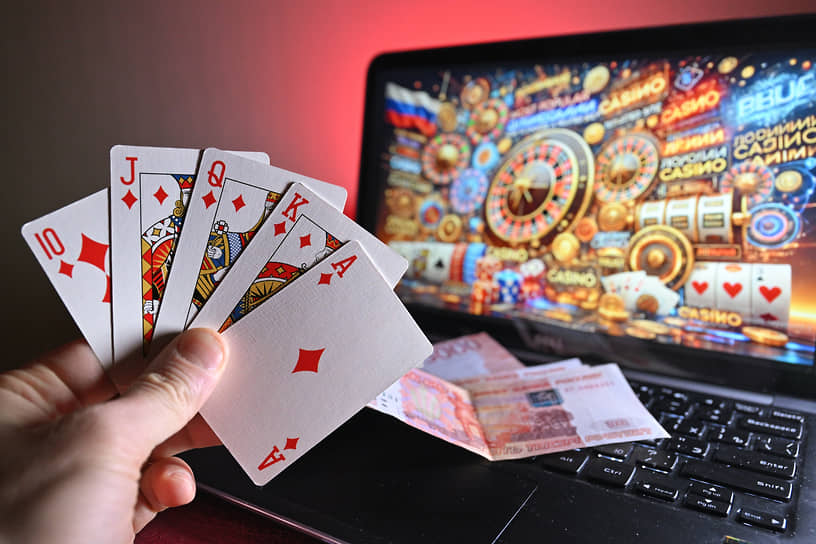
Casinos are vibrant, dynamic environments that reflect the psychological, social, and cultural contexts of their patrons. The preferences and values of players from different cultural backgrounds play a crucial role in shaping the gaming experience. From the design of casino spaces to the types of games offered, everything can be influenced by the traditions and preferences of the local population. In this exploration, we delve into how cultural backgrounds dictate gaming behavior, preferences, and trends, while showcasing how brands like Cultural Preferences That Shape Casino Game Design by Region https://bet365-casino.it adjust their offerings to meet these varied needs.
The Role of Culture in Gaming Preferences
Culture encompasses the beliefs, practices, and values that define a group. These cultural frameworks significantly affect how individuals engage with gambling. For instance, in collectivist societies where community and family are prioritized, gaming may be perceived as a social outing rather than purely an adult activity. In contrast, individualistic cultures often see gambling as a personal endeavor where success is tied to individual skill and luck.
Game Preferences Across Cultures
Different cultures have varying preferences for types of games. For example, slot machines are incredibly popular in North America, often designed with vibrant graphics and sound effects to attract younger audiences. Meanwhile, table games like blackjack and baccarat hold greater appeal in Asia, particularly in countries such as China, where specific games resonate more powerfully with their historical and cultural narratives.
Slot Machines: Flashy and Fast
In many Western countries, the allure of slot machines lies in their simplicity and instant gratification. They come with themes ranging from pop culture icons to adventures, appealing to diverse interests and age groups. However, in Asian cultures, the slow-paced gameplay of table games, coupled with traditions around luck and respectabilities, often trumps the fast-paced experience of slots.
Table Games: Strategy and Skill
In contrast, table games such as poker or mahjong are deeply embedded in the social fabric of many Asian countries. Mahjong, for example, is not merely a gambling game but a family tradition, reflecting values of patience, strategy, and social interaction. The community-oriented nature of such games creates bonds among players, which is a significant aspect of gambling in these regions.
Cultural Symbols and Casino Design
Cultural preferences also dictate how casinos are designed. The ambiance, décor, and even operational practices are tailored to fit the local cultural aesthetic. In Las Vegas, you see flashy lights, elaborate themes, and a sense of excess, mirroring the local culture’s embrace of entertainment and consumerism. On the other hand, casinos in parts of Asia often prioritize elegance and subtleness, opting for designs that reflect traditional aesthetics, such as feng shui, which aims to create harmony and balance.
Integration of Cultural Themes
To appeal to local players, casinos often integrate cultural themes into their offerings. For instance, a casino might feature Asian-inspired decor or celebrate local festivals, which encourages community engagement and attracts more visitors. Furthermore, the significance of specific numbers in various cultures, such as the number 8 in Chinese culture (associated with wealth), is often reflected in game offerings and promotions.

Social Norms and Gambling Behavior
Different cultures also have varying attitudes toward gambling, which influences player behavior. In some Western cultures, gambling is largely accepted; friendships may form over poker nights, and visiting casinos can be a common leisure activity. Contrarily, in certain religious communities, gambling may be viewed negatively, resulting in a more discreet gambling culture.
Regulatory Frameworks
Cultural attitudes towards gambling also affect regulatory frameworks. For instance, places with traditionally conservative views on gambling may impose strict regulations and limitations on gaming operations. Conversely, regions with more liberal attitudes may foster a flourishing gaming industry, supported by less stringent laws and regulations.
Technology and Cultural Adaptation
The rise of online casinos has further highlighted the importance of cultural preferences. Online platforms can tailor games and experiences to regional tastes quickly and efficiently. For example, mobile gaming has gained immense popularity across younger demographics worldwide, but the types of games that resonate differ markedly from one culture to another.
Localized Content in Online Gaming
Online casinos are capitalizing on cultural trends by localizing their content. This means adapting game themes, language, and marketing strategies to fit cultural contexts. For instance, using culturally relevant imagery or themes can enhance user experience and increase player retention, highlighting the need for brands to be attuned to cultural nuances.
The Future of Casinos: Cultural Awareness
As the global casino industry continues to evolve, understanding cultural preferences will be paramount for operators seeking to capture diverse audiences. The success of any casino, be it physical or online, lies in its ability to resonate with the cultural identities of its clientele.
Moving forward, operators must invest in research and development that prioritizes cultural adaptability, allowing for flexible responses to ever-changing cultural tides. This means not simply recognizing cultural differences but embracing them to create a richer, more appealing casino experience for all.
Conclusion
In conclusion, cultural preferences are a fundamental aspect of the casino experience, shaping everything from game selection to design and social interactions. Understanding these preferences is essential for operators in a globalized gaming market. As the gaming industry continues to diversify, it will be important for brands like https://bet365-casino.it to innovate and adapt, ensuring that they meet the cultural needs and expectations of their players. Without this awareness and flexibility, casinos risk losing relevance in an increasingly competitive landscape.

Leave a reply