
Understanding Interpol and International Arrest Warrants
Interpol plays a vital role in international law enforcement by facilitating cooperation among police forces in different countries. One of its fundamental functions revolves around the issuance of Interpol and international arrest warrant. This article explores the intricacies of Interpol, the nature of international arrest warrants, and their implications for global security and justice.

What is Interpol?
Established in 1923, Interpol, or the International Criminal Police Organization, is the world’s largest international police organization. It connects 195 member countries and facilitates the exchange of information and intelligence to c
ombat transnational crime. Interpol operates through a secure global police communications network called I-24/7, which allows member countries to share vital information in real-time.
The Role of Interpol in Law Enforcement
Interpol primarily acts as a facilitator rather than a direct law enforcement agency. It provides various services, including:
- Crime analysis and research
- Training and capacity building for police forces
- Issuance of notices, including Red Notices for wanted persons
- Support for joint operations targeting organized crime, human trafficking, and terrorism
Understanding Red Notices
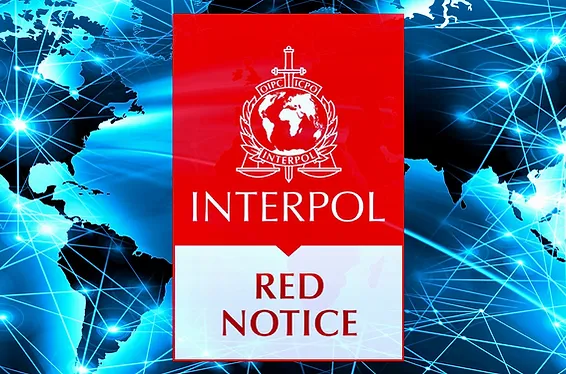
One of the key tools Interpol employs is the Red Notice, which is a request to locate and provisionally arrest a person pending extradition. A Red Notice is not an international arrest warrant; instead, it serves as a communication tool to alert member countries about wanted individuals. Each member country is responsible for deciding whether to act on a Red Notice based on its national laws and legal processes.
The Mechanism of International Arrest Warrants
An international arrest warrant, in contrast to an Interpol Red Notice, is a legally binding order issued by a country’s judicial authority. These warrants allow law enforcement agencies to arrest individuals accused of serious crimes, such as murder, drug trafficking, or human trafficking, regardless of their location. International arrest warrants can be complex, especially concerning jurisdiction and extradition.
How International Arrest Warrants Function
The process for issuing an international arrest warrant typically begins when a national court identifies a suspect. If the suspect flees to another country, the issuing country can request the arrest of the individual based on the warrant. The country where the individual has fled must then consider the warrant according to its legal framework. Key aspects of this process include:
- Grounds for Extradition: Most countries have treaties that dictate the conditions under which they will extradite individuals. These treaties often specify crimes that qualify for extradition.
- Political Offenses: Many countries refuse to extradite individuals accused of political crimes, which can complicate matters further.
- Dual Criminality: The crime for which extradition is sought must be illegal in both countries involved.
Challenges and Limitations
The interplay between Interpol’s notices and international arrest warrants can be fraught with challenges. Some of the most significant issues include:
- Legal Differences: Different countries have varying legal standards regarding the seriousness of crimes and extradition procedures, which can lead to complications.
- Human Rights Concerns: Some individuals may be subjected to lengthy legal battles, and their rights may be at risk, particularly in countries with less robust legal protections.
- Political Influences: The potential for misuse of Red Notices or arrest warrants for political or personal reasons can undermine the system’s integrity.
Recent Developments and Future Outlook
As globalization increases, so does the complexity of international crime, necessitating robust international cooperation. Recent developments in technology, such as advancements in data sharing and communication, have allowed Interpol to enhance its operational capabilities. Furthermore, discussions around reforming the notice system to address concerns over abuse and political use continue to gain traction. The challenge remains to strike a balance between effective law enforcement and the protection of human rights.
Conclusion
Interpol and the mechanisms surrounding international arrest warrants serve crucial functions in maintaining global security. While these tools foster collaboration among nations in combating crime, they also raise important questions about legality, jurisdiction, and human rights. As international crime evolves, so too must the systems designed to counteract it, ensuring that justice prevails while safeguarding individual freedoms.
